technomarketers

Uncategorized

The Art of Choosing the Right Influencer for Your Niche

The Art of Choosing the Right Influencer for Your Niche

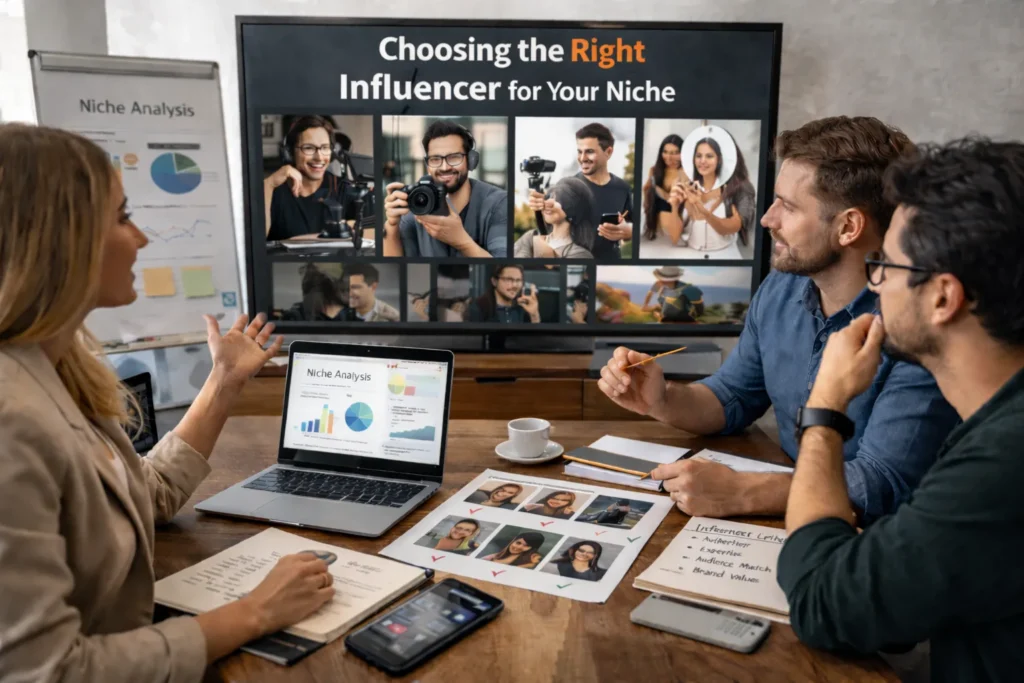
Introduction As social platforms continue to evolve, influencer marketing remains one of the most effective ways to connect with audiences. Among the most important Digital marketing trends 2026, brands are shifting from generic promotions to highly targeted and authentic influencer partnerships. However, not all influencers deliver the same value. Choosing the right influencer for your niche can determine whether your campaign drives meaningful engagement or wastes valuable marketing budget. With countless creators competing for attention, brands must take a strategic, data-driven approach. Here’s how to master influencer selection in line with Digital marketing trends 2026. Understand Your Brand and Target Audience Before partnering with any influencer, clearly define your brand identity and ideal audience. Who are you trying to reach, and what problems does your brand solve? Understanding these elements is critical to creating effective influencer campaigns. Using analytics tools and social media insights, brands can study audience demographics, behaviors, and interests. One of the key Digital marketing trends 2026 is hyper-personalization — meaning influencers must genuinely resonate with your audience’s values and expectations. When an influencer aligns with your brand’s tone, mission, and visuals, the collaboration feels natural and trustworthy. Choose the Right Type of Influencer Influencers fall into different categories, each offering distinct advantages: Mega-influencers (1M+ followers): Best for large-scale brand awareness Macro-influencers (100K–1M followers): Strong balance of reach and engagement Micro-influencers (10K–100K followers): High trust and niche authority Nano-influencers (under 10K followers): Ideal for local or community marketing One of the most noticeable Digital marketing trends 2026 is the rise of micro and nano influencers. Brands increasingly favour these creators because they deliver stronger engagement, authenticity, and higher ROI compared to celebrity influencers. Focus on Authentic Engagement Over Follower Count Follower numbers alone no longer define success. Modern influencer marketing prioritizes authentic marketing and real audience interaction. Analyze engagement metrics such as likes, comments, shares, and story responses. Fake followers and inflated engagement remain common, so it’s essential to verify influencer credibility. Tools like Hype Auditor, Up fluence, and Bozsum help brands identify genuine creators — a practice that aligns closely with Digital marketing trends 2026, where transparency and trust are top priorities. Align Content Style With Brand Storytelling Influencers are powerful storytellers, and their content style should enhance your brand storytelling. Review past posts to ensure the influencer’s tone, visuals, and messaging complement your brand identity. Successful influencer collaboration happens when creators truly believe in the product they promote. Forced or overly scripted content can damage credibility, while authentic endorsements strengthen trust and long-term brand loyalty — a key focus within Digital marketing trends 2026. Track Performance and Measure ROI Data-driven marketing is no longer optional. Set clear KPIs such as engagement rate, website traffic, lead generation, or sales conversions. Measuring performance ensures your influencer content strategy delivers measurable results. Advanced analytics tools allow brands to refine campaigns, optimize budgets, and scale successful partnerships. As emphasized in Digital marketing trends 2026, performance tracking is essential for sustainable growth. Conclusion Choosing the right influencer for your niche is both an art and a science. It requires audience insight, authentic partnerships, and strategic measurement. As Digital marketing trends 2026 continue to shape the future of online branding, influencer marketing remains a powerful tool when executed correctly. If your business is ready to grow through meaningful influencer partnerships, our agency can help you build a customized influencer content strategy that connects your brand with the right voices — and the right audience.

The Art of Choosing the Right Influencer for Your Niche Read More »
Predictive Analytics: The Next Step in Business Growth

Predictive Analytics: The Next Step in Business Growth

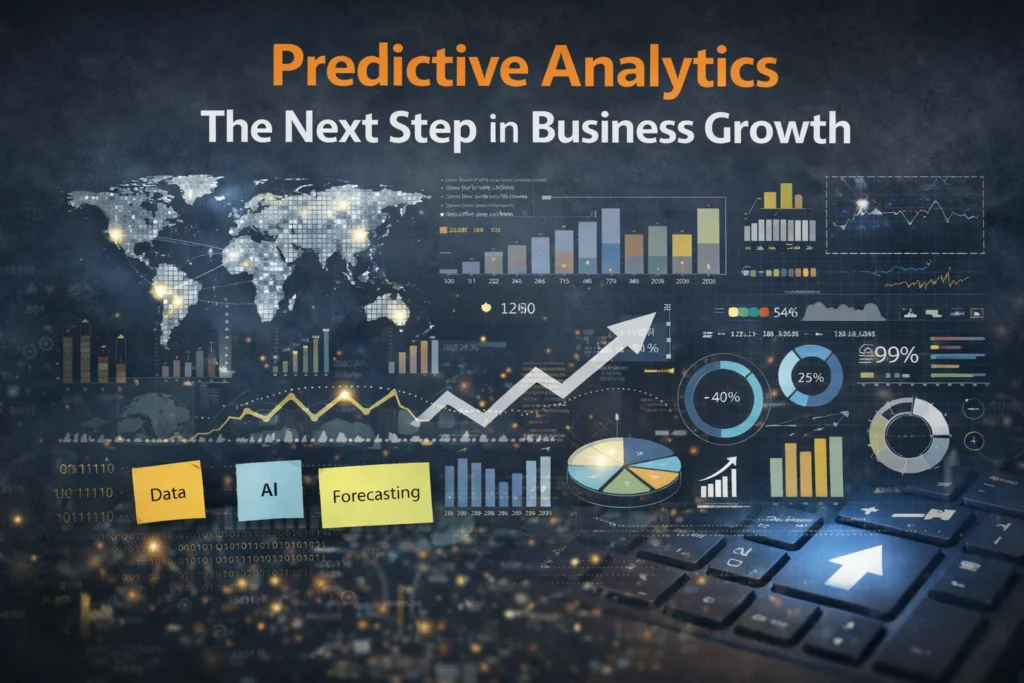
Introduction In today’s competitive digital landscape, businesses can no longer rely solely on historical data or intuition to make decisions. The future of success lies in predictive analytics — a powerful approach that uses data, algorithms, and machine learning to forecast future outcomes. By leveraging predictive insights, businesses can anticipate customer needs, optimize marketing efforts, and drive sustainable growth. Let’s explore how predictive analytics is transforming modern business strategy and why it’s the next big step in business growth. What Is Predictive Analytics? Predictive analytics is a branch of business analytics that uses statistical techniques, data mining, and AI to predict future trends and behaviors. Instead of simply describing what happened in the past (descriptive analytics), predictive analytics focuses on what will happen next — helping businesses make proactive decisions. For example, marketers can use predictive data to forecast customer churn, sales demand, or the success rate of a campaign before it even launches. How Predictive Analytics Drives Business Growth Predictive analytics empowers organizations to make smarter, faster, and more strategic decisions. Here’s how it fuels business growth: Customer Insights: By analyzing historical behavior, companies can predict customer preferences and personalize their marketing strategies. Sales Forecasting: Businesses can estimate future sales volumes, identify seasonal trends, and allocate budgets more efficiently. Risk Management: Predictive models help identify potential risks — such as fraud, supply chain issues, or financial loss — before they occur. Operational Efficiency: Through real-time data, companies can streamline processes, reduce waste, and improve performance. When businesses leverage predictive analytics tools, they gain a competitive edge by acting on opportunities before competitors even notice them. Predictive Analytics in Digital Marketing In digital marketing, predictive analytics is revolutionizing how brands connect with audiences. Marketers can now predict which leads are most likely to convert, what content will perform best, and when customers are ready to make a purchase. Using tools like Google Analytics, HubSpot, or Tableau, marketing teams can analyze user data to create personalized campaigns that increase ROI. This level of data-driven marketing ensures that every decision — from content creation to ad targeting — is backed by accurate insights. Implementing Predictive Analytics in Your Business To get started with predictive analytics, follow these steps: Collect Quality Data: Gather accurate and consistent data from your CRM, social media, and website analytics. Choose the Right Tools: Use advanced analytics platforms that integrate with your existing systems. Train Your Team: Ensure your team understands how to interpret and act on predictive insights. Monitor and Improve: Continuously refine your models for better accuracy and outcomes. Conclusion As technology advances, predictive analytics is no longer a luxury — it’s a necessity for sustained business growth. By embracing data-driven strategies, companies can make smarter decisions, enhance customer experiences, and unlock new opportunities for success. If you’re ready to transform your data into actionable insights, our agency can help you implement predictive analytics solutions that drive measurable growth and long-term profitability.

Predictive Analytics: The Next Step in Business Growth Read More »

How to Build a Social Media Strategy That Actually Works

How to Build a Social Media Strategy That Actually Works

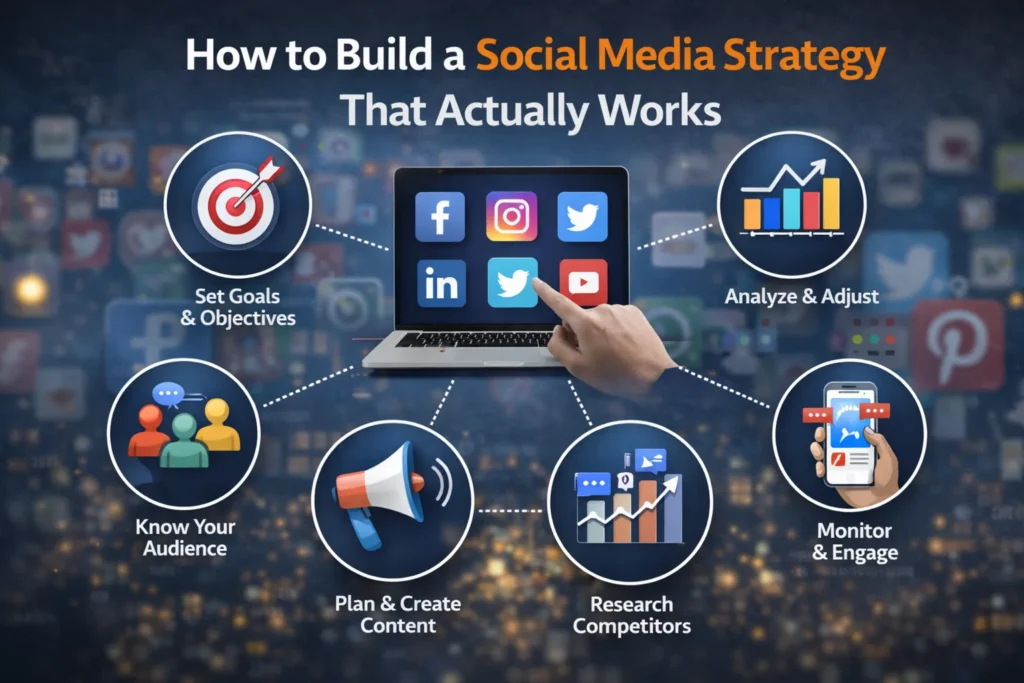
Introduction In today’s fast-paced digital world, having a strong social media strategy isn’t optional — it’s essential. Whether you’re a startup, a small business, or an established brand, social media is one of the most powerful tools for building awareness, engaging audiences, and driving conversions. But to stand out in 2025’s crowded online landscape, you need a strategy that actually works — not just random posting. Here’s how to create a social media marketing plan that gets real results. Define Your Goals and Target Audience Every successful social media strategy starts with clear goals. Are you trying to increase brand awareness, generate leads, drive website traffic, or boost sales? Defining your objectives will guide your content, tone, and posting frequency. Next, identify your target audience — who they are, what platforms they use, and what kind of content they engage with. Use social media analytics tools and CRM insights to understand demographics, interests, and online behavior. Choose the Right Platforms Not every platform suits every business. While Instagram and TikTok are great for lifestyle brands and visual storytelling, LinkedIn works best for B2B marketing and professional services. Focus your efforts where your audience is most active rather than spreading yourself too thin. Remember, quality engagement on a few platforms beats mediocre presence on many. This approach ensures your social media management efforts deliver the best ROI. Create Engaging and Valuable Content Content is the heart of any social media marketing strategy. Post content that educates, entertains, and inspires your audience. Mix formats like videos, carousels, reels, polls, and live sessions to keep engagement high. Use the 80/20 rule — 80% of your content should provide value, while only 20% should promote your brand. Consistent branding, tone, and visuals help establish recognition and trust. Leverage Analytics and Adjust Your Strategy Tracking performance is crucial for success. Use tools like Meta Insights, Google Analytics, or Hootsuite to measure engagement, reach, and conversion rates. Analyze what’s working — which posts get the most likes, comments, and shares — and refine your strategy accordingly. Social media success isn’t about guessing; it’s about testing, learning, and improving. Stay Consistent and Build Relationships Consistency is key to staying visible and relevant. Create a social media calendar to plan posts, campaigns, and collaborations ahead of time. Engage actively with your followers — reply to comments, share user-generated content, and collaborate with influencers who align with your brand. Building genuine relationships creates loyal fans who amplify your message. Conclusion Building a social media strategy that works means combining creativity, consistency, and data-driven insights. By defining goals, understanding your audience, and posting valuable content regularly, your brand can grow visibility, trust, and sales. If you’re ready to take your online presence to the next level, our team can help you design a custom social media marketing strategy that delivers measurable growth and lasting impact.

How to Build a Social Media Strategy That Actually Works Read More »

SEO in 2025_ New Rules for Ranking Higher on Google

SEO in 2025: New Rules for Ranking Higher on Google

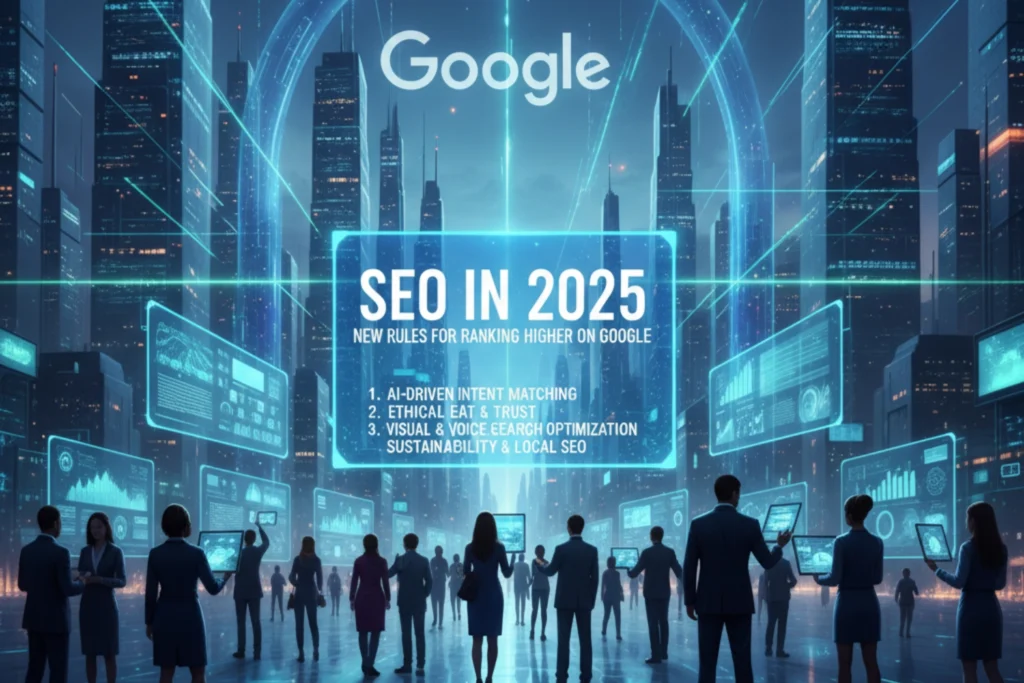
Introduction Search Engine Optimization (SEO) has always been the backbone of digital marketing, but in 2025, it’s evolving faster than ever. With Google’s algorithm updates focusing more on user experience, search intent, and AI-driven content analysis, the rules for ranking higher have changed. Whether you run a small business or manage an enterprise website, understanding the new SEO trends in 2025 will help you stay ahead of the competition. Search Intent and User Experience Take the Lead In 2025, Google’s primary focus is no longer just on keywords — it’s on user intent. The algorithm now prioritizes pages that genuinely solve searchers’ problems. This means that keyword stuffing is outdated; instead, your content must align with what users are actually looking for. User experience (UX) also plays a key role. Websites with fast loading speed, mobile-friendly designs, and clear navigation will rank higher. Google’s Core Web Vitals continue to be critical ranking factors, rewarding sites that provide seamless browsing experiences. AI and Machine Learning Are Shaping SEO Strategies Artificial Intelligence is now integrated deeply into Google’s ranking algorithms through updates like Search Generative Experience (SGE) and RankBrain. These AI systems analyze user behavior to deliver more accurate and conversational search results. To succeed, marketers need to create AI-friendly content — informative, structured, and easy for algorithms to interpret. Using natural language and optimizing for conversational queries can help your content appear in voice search and AI-powered results. E-E-A-T: Expertise, Experience, Authoritativeness, and Trust Google’s updated E-E-A-T guidelines (Experience, Expertise, Authoritativeness, Trustworthiness) are now central to ranking success. Content that demonstrates real-world experience and credibility will outperform generic articles. Adding author bios, citing reputable sources, and sharing case studies or testimonials can boost your brand’s authority. In 2025, it’s not enough to write — you must prove your expertise. Voice and Visual Search Are Transforming SEO As smart assistants like Alexa, Siri, and Google Assistant become more advanced, voice search optimization is a must. Users are asking conversational questions, so your content should mirror that tone. Similarly, visual search — where users search using images — is growing rapidly. Using alt text, structured data, and high-quality visuals ensures your brand appears in image-based results. Content Depth and Topical Authority Matter More In 2025, Google favors content depth over quantity. Instead of producing hundreds of short posts, focus on building comprehensive content hubs that cover your niche in detail. Long-form articles, internal linking, and semantically related keywords help establish topical authority — boosting your entire website’s visibility. Conclusion The new rules of SEO in 2025 revolve around understanding your audience, producing high-quality content, and delivering the best possible user experience. AI, E-E-A-T, and search intent are reshaping how Google ranks websites. If your business wants to stay visible in this fast-changing digital world, our agency can help you build a future-ready SEO strategy that drives organic traffic, boosts visibility, and strengthens your brand authority online.

SEO in 2025: New Rules for Ranking Higher on Google Read More »

AI in Digital Marketing: Smarter Campaigns for 2026

The Future of Digital Marketing: Trends to Watch in 2026

AI in Digital Marketing: Driving Smarter Campaigns Artificial Intelligence (AI) has already transformed how brands analyze data, engage with customers, and optimize campaigns. In 2026, AI in digital marketing will take center stage, powering everything from personalized content recommendations to predictive analytics. Tools like ChatGPT, Google Gemini, and AI-powered chatbots allow marketers to deliver human-like interactions at scale. Combining AI in digital marketing automation with human creativity is essential for building campaigns that are not only efficient but also highly engaging. Hyper-Personalization with CRM Integration Generic marketing campaigns are becoming a thing of the past. CRM integration allows brands to leverage customer data for hyper-personalized experiences across channels. By combining CRM insights with analytics, marketers can deliver content, offers, and messages tailored to individual preferences. In 2026, businesses will increasingly integrate CRM systems with social media, websites, and ad platforms to create seamless, data-driven campaigns. This approach enhances AI in digital marketing capabilities by providing richer insights for targeted messaging. Optimizing for Voice and Visual Search Text-based SEO alone isn’t enough anymore. With the rise of voice assistants and visual search technologies, consumers are finding products and services using smarter search methods. Digital marketers must optimize for voice search marketing and implement structured data for visual search. Fast-loading websites, rich media, and AI in digital marketing tools help brands capture these growing audiences effectively. Short-Form Video and Social Media Evolution Short-form video continues to dominate online engagement. Platforms like TikTok, Instagram Reels, and YouTube Shorts are reshaping how consumers interact with brands. In 2026, success will come from authentic storytelling through micro-videos, user-generated content, and influencer collaborations. Leveraging AI in digital marketing analytics ensures campaigns reach the right audience with the right content. Ethical and Sustainable Marketing Modern consumers care about more than just products—they want brands to stand for sustainability, inclusivity, and transparency. Ethical and sustainable marketing will be key for building digital brand identity, improving trust, and enhancing SEO performance. Brands that integrate AI in digital marketing with sustainable practices gain a competitive edge, as they can better understand audience preferences and predict trends. Conclusion The future of digital marketing in 2026 is about smarter data, deeper personalization, and meaningful customer relationships. By embracing AI in digital marketing, integrating CRM systems, optimizing for voice and visual search, and leveraging short-form content and ethical branding, brands can stay ahead of the curve. Adapt early, innovate consistently, and create authentic experiences—these are the keys to leading the next era of online growth.

The Future of Digital Marketing: Trends to Watch in 2026 Read More »